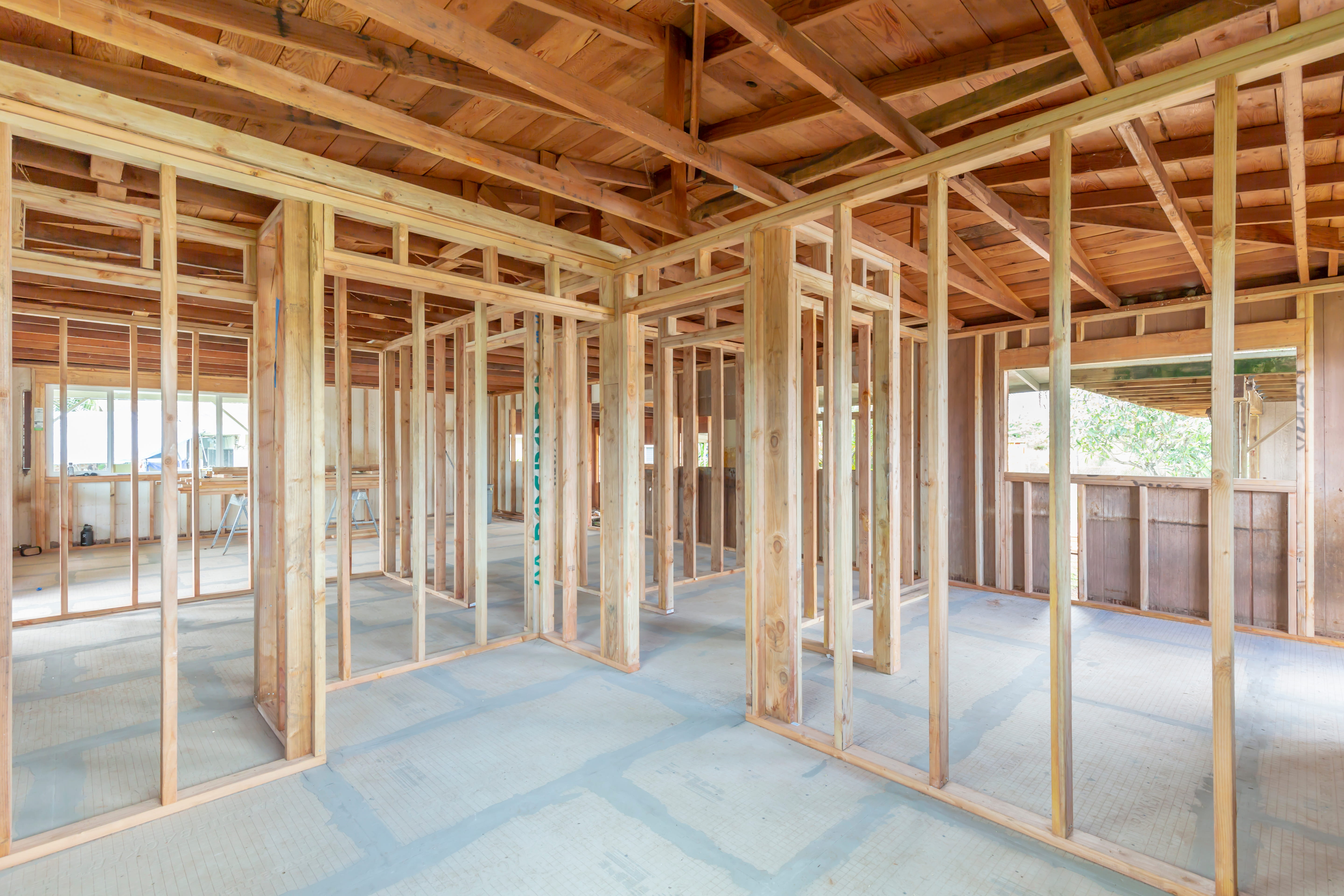
Some architects spend most of their careers at a distance from construction.
My career has been different.
For more than sixteen years, I have worked closely with builders, construction teams, clients, consultants, estimators, and trades through the realities of high-end residential design and construction. That experience changed how I think about architecture.
Design is not complete when the drawing set is issued.
In many ways, that is when the architecture is tested.
A detail that looks elegant on paper has to be built. A roof form has to frame. A window has to arrive. A beam has to align. A budget has to survive. A superintendent has to understand intent. A client has to make decisions with confidence. A consultant has to coordinate. A craftsman has to translate lines into something real.
Working alongside builders teaches respect for that process.
It also teaches what creates problems.
Unclear drawings create confusion. Overcomplicated details can drive cost without improving the experience. Late design decisions ripple through a project. Poor coordination between structure, mechanical systems, and architecture can compromise both design and budget. Beautiful ideas require practical thinking if they are going to survive construction intact.
This does not mean architecture should become watered down.
It means good design should be intelligent enough to be built well.
The best builder relationships are not adversarial. They are collaborative. Builders bring field knowledge, sequencing awareness, pricing feedback, and practical insight. Architects bring design vision, proportion, documentation, coordination, and client advocacy. When those roles respect each other, the client benefits.
That experience is one reason I care so much about modeling, visualization, and early coordination.
If a builder can understand the design intent clearly, the project has a better chance of being priced, scheduled, and executed properly. If a client can see the design clearly, they can make decisions earlier. If consultants are brought into the process at the right time, fewer surprises appear later.
Construction experience also gives an architect a different kind of confidence.
Not the confidence to ignore complexity, but the confidence to guide clients through it.
Clients often do not know which decisions are urgent and which can wait. They may not understand why a small design change affects structure, cost, or schedule. They may not know when a field adjustment is harmless and when it compromises the architecture.
That is where an architect with construction awareness can be especially valuable.
The goal is not just to design something beautiful.
The goal is to help carry the vision through the messy, technical, human process of getting it built.
That is where architecture becomes real.
Brad Keene
June 2, 2026


Begin the Conversation
Whether beginning with land, an existing structure, or a long-held idea, the first conversation helps establish clarity, direction, and the right path forward.
