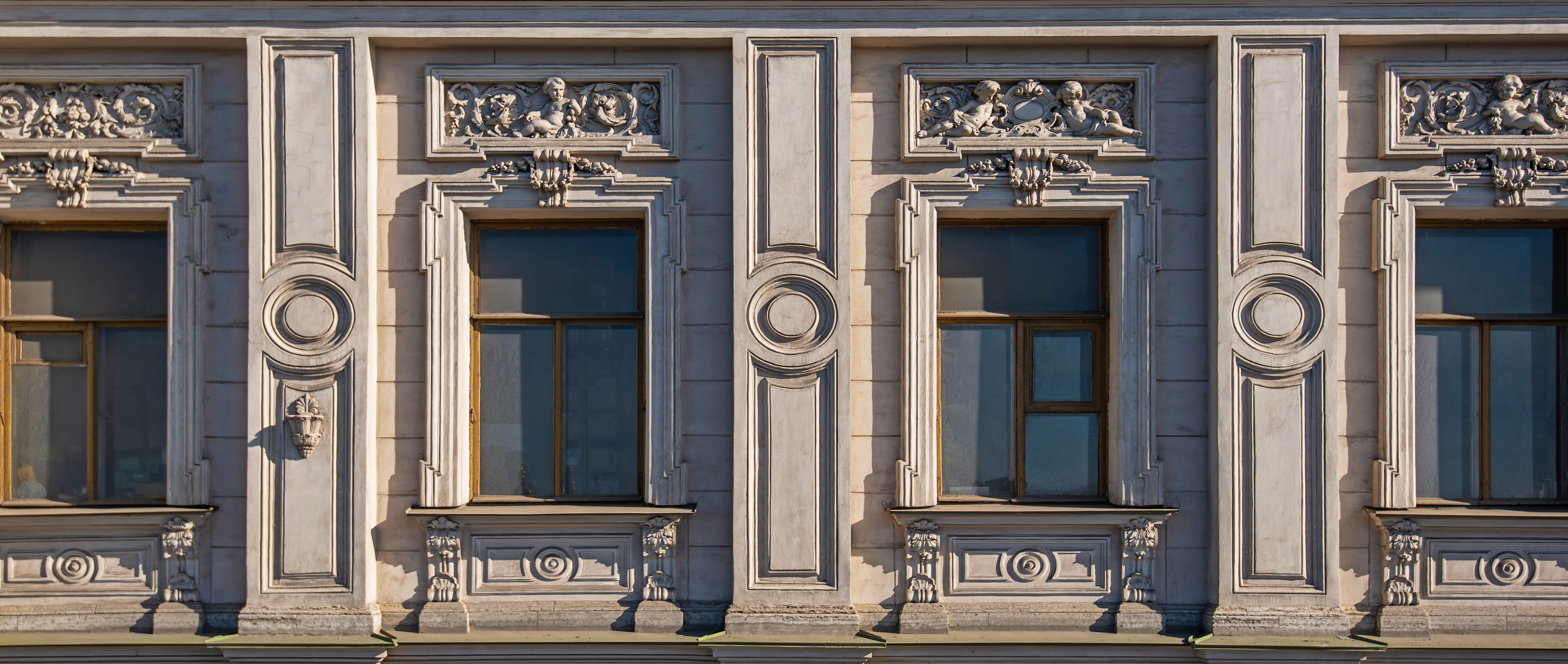
I have always been drawn to architecture that feels like it has memory.
Not nostalgic architecture. Not copying the past. But buildings and places that feel connected to something deeper than current taste.
As an architect, I return often to books, historic examples, vernacular buildings, old towns, ranch houses, estate properties, and traditional construction methods because they teach lessons that are still relevant.
The best references are not valuable because they give you something to imitate.
They are valuable because they reveal principles.
Why does one street feel comfortable and another feel sterile? Why does one porch invite use and another become decoration? Why do certain old houses feel better with age? Why do some rural buildings sit so naturally on land? Why do some materials gain character while others simply deteriorate?
These are architectural questions.
They are also human questions.
Books on architectural history, traditional detailing, land planning, pattern language, vernacular design, and craftsmanship continue to shape how I think because they slow the mind down. They remind me that architecture is not only about novelty. It is about proportion, sequence, light, material, climate, memory, and use.
I am also interested in the tension between old and new tools.
I sketch by hand because it allows ideas to stay fluid. I model in 3D because it allows clients and teams to understand space with clarity. I study historic precedent because it teaches discipline. I use modern visualization because it improves communication.
That combination feels natural to me.
One hand in the old, one hand in the new.
This is especially important in residential work. A home is not an abstract object. It has to support real life. It has to weather. It has to hold memories. It has to feel personal without becoming self-indulgent. It has to balance beauty with responsibility.
The references that stay with me are usually not the loudest buildings.
They are the ones that feel settled.
A stone wall with age in it. A shaded entry. A courtyard that feels protected. A stair that slows you down. A room with the right amount of light. A simple building placed perfectly on land.
Those moments are why I keep studying.
They remind me that good architecture is rarely about doing more.
Often, it is about doing the right things with care.
Brad Keene
June 23, 2026

Begin the Conversation
Whether beginning with land, an existing structure, or a long-held idea, the first conversation helps establish clarity, direction, and the right path forward.
